Scheduled Check-ins
Set three daily reminders to pause and assess your current state. Morning, midday, and evening check-ins create a consistent observation rhythm without overwhelming your schedule.
Practical approaches to observing and understanding your energy patterns throughout the day
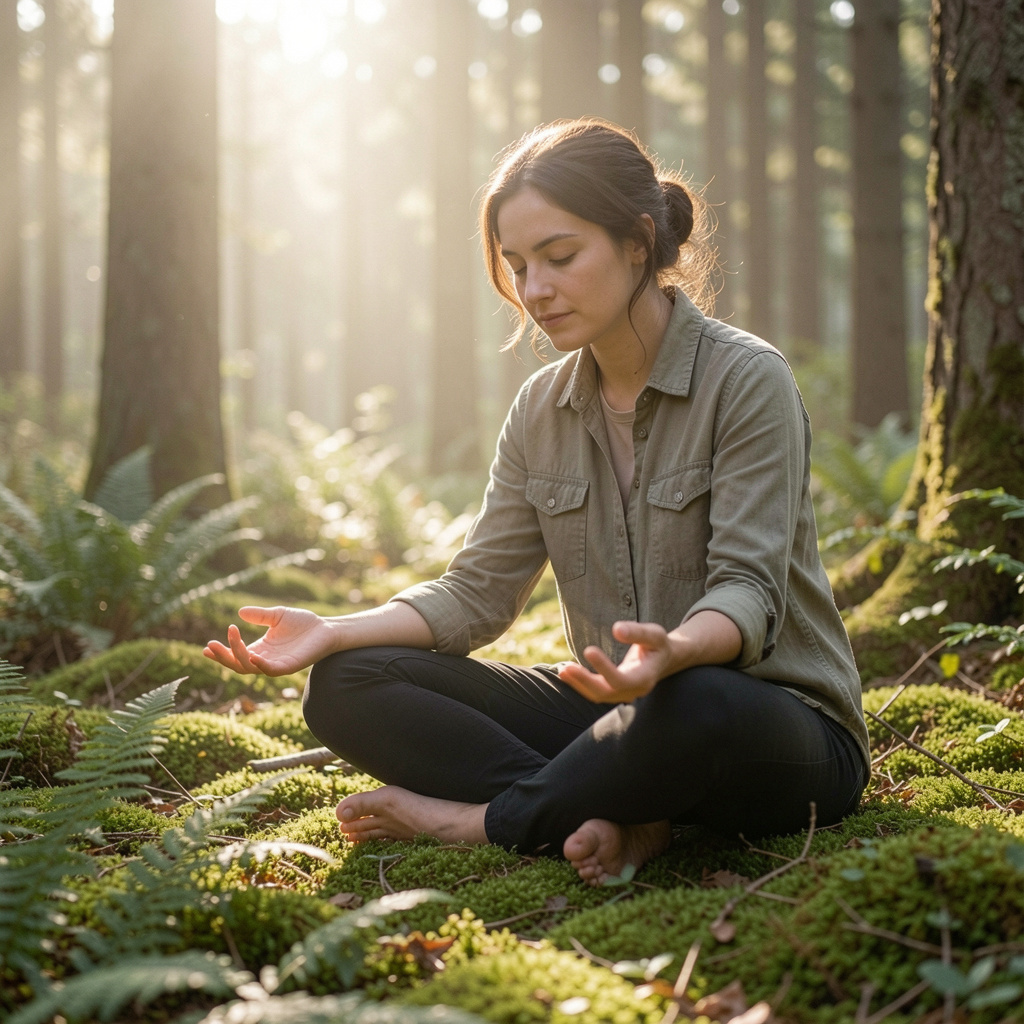
Simple techniques to develop the habit of noticing your energy levels
Set three daily reminders to pause and assess your current state. Morning, midday, and evening check-ins create a consistent observation rhythm without overwhelming your schedule.
Use natural transitions in your day as awareness cues. When you finish a task, change locations, or take a break, briefly notice how you feel physically and mentally.
Take one minute to mentally scan from head to toe, noticing any tension, heaviness, or discomfort. This builds connection with physical sensations related to energy levels.
Keep brief notes about your energy levels at different times. Over weeks, patterns emerge that reveal your natural rhythms and influential factors.
Notice sensations in your body: Are your eyes comfortable or strained? Do your muscles feel light or heavy? Is your breathing easy or shallow? Are you experiencing any tension or discomfort? These physical cues provide immediate feedback about your current state.
Assess your thinking: Is your mind clear or foggy? Can you focus easily or does your attention wander? Are you processing information quickly or slowly? Mental clarity often fluctuates with energy levels throughout the day.
Check your emotional state: Do you feel patient or irritable? Engaged or indifferent? Calm or overwhelmed? Emotions can reflect underlying energy levels and provide early warning signs of fatigue.
Notice your drive: Do tasks feel manageable or daunting? Are you eager to engage or resistant? Motivation naturally varies with energy, and awareness of this connection is valuable.
Most people experience predictable energy fluctuations throughout the day. Common patterns include higher energy in mid-morning, a dip after lunch, and either a second wind or gradual decline in the evening. Your personal pattern may differ, and discovering it helps with planning.
Different activities affect energy in different ways. Mentally demanding work might drain cognitive energy while leaving physical energy intact. Social interaction might energize some people while tiring others. Physical activity might boost alertness or increase fatigue depending on intensity and timing.
Your surroundings impact energy levels. Bright natural light often supports alertness, while dim lighting may promote drowsiness. Temperature extremes can be draining. Noise levels affect concentration and mental energy. Air quality influences both physical and mental states.
Notice how sleep quality, meal timing and content, hydration, and physical activity from earlier in the day or previous days influence your current energy. These connections often become clear only through consistent observation over time.
Begin with just one check-in per day. Once this becomes habitual, add a second, then a third. Building gradually creates sustainable habits rather than overwhelming yourself with too many new practices at once.
Link awareness practices to established routines. Check your energy when you make your morning coffee, after lunch, or when you sit down at your desk. Anchoring new habits to existing ones increases consistency.
Awareness practice should take seconds, not minutes. A quick internal check is sufficient. Complexity creates resistance, while simplicity supports consistency.
The goal is awareness, not evaluation. Whether your energy is high or low, simply notice it without labeling it as good or bad. This non-judgmental approach makes observation easier and more sustainable.
Once you understand your energy patterns, you can plan accordingly. Schedule demanding tasks during your peak energy periods. Save routine or less critical work for lower energy times. This alignment between task demands and available energy can improve both productivity and experience.
Awareness helps you recognize what you might need in the moment. Fatigue might prompt consideration of rest, movement, fresh air, hydration, or a change of activity. The awareness itself doesn't prescribe action, but it provides information for decision-making.
Understanding your natural energy patterns helps set realistic expectations for what you can accomplish at different times. This awareness can reduce frustration and support more effective time management.
Over weeks and months, awareness reveals larger patterns. You might notice that certain lifestyle choices consistently affect your energy in specific ways. This long-term perspective can inform decisions about sleep schedules, exercise timing, work patterns, and other aspects of daily life.